Incline push-up
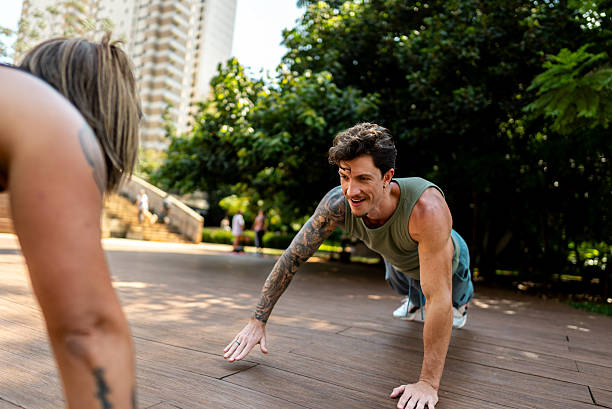
Hands on a counter or sturdy table, walk feet back until your body is straight head to heels. Lower chest toward the counter, elbows slightly out from your sides. Push back up without letting hips sag. Do 6–10 smooth reps.

Simple form tips for ten-minute home workouts—using a chair, counter, and your body weight.
Before strength or a faster walk, spend two minutes getting ready. March in place, swing your arms, circle ankles and wrists, and take three deep breaths. A short warm-up helps you move better and avoid rushing. Already warm from yard work? Do a quick version with joint circles only.
Match the warm-up to what is next: before squats, bend at the hips without weight; before push-ups, roll shoulders and slide arms on a wall. After a brisk walk, breathe slowly for twenty seconds and stretch calves lightly.
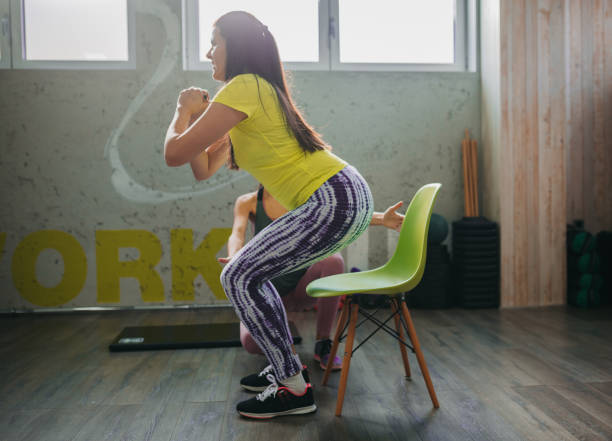
Stand in front of a sturdy chair, feet hip-width apart, toes slightly out. Push hips back like you are sitting, lightly touch the chair, then stand up through your heels. Keep knees over your feet, chest up, belly gently tight. Breathe in going down, out coming up. Do 8–12 slow reps.
If something feels off: Knees caving in? Do not squat as deep. Heels lifting? Shallow the squat. Need balance? Lightly use the armrests—that is smart, not cheating.
Hands on a counter or sturdy table, walk feet back until your body is straight head to heels. Lower chest toward the counter, elbows slightly out from your sides. Push back up without letting hips sag. Do 6–10 smooth reps.
Lie on your back, knees bent, feet flat. Lift hips until shoulders, hips, and knees line up. Squeeze your glutes at the top—do not over-arch your lower back. Lower slowly. Do 10–15 reps; pause at the top for extra control.
Good form protects your joints and makes short workouts count. Click each tab below to review setup, breathing, and common mistakes before you start. Move slowly enough to feel your muscles work—not swing through the motion. Breathe out on the hard part, in on the easy part. New to this? Rest ten to twenty seconds between sets. Stop before your form falls apart—quality beats speed. Use a chair that will not slide; test that your counter is stable before push-ups. Film yourself from the side once a month if you want to see progress. Always warm up first. When unsure, make the move smaller and build up over weeks—do not copy fast online videos if you are just starting. Learn one move per day, then combine them when each feels smooth. One fix per set is enough; you do not need to perfect every rep.
Feet hip-width, weight in heels, knees over toes. Hips back, light touch on chair, stand up without locking knees hard.
Hands on a sturdy surface, body straight. Lower chest toward counter, elbows slightly out from your sides.
Feet flat, knees bent. Lift hips, squeeze glutes, do not over-arch your lower back.
Two to three non-consecutive days work well for beginners alongside walking on other days.
Mild next-day soreness can happen; sharp joint pain means stop and adjust.
Yes—add a second set or extra minutes when your habit feels solid for several weeks.